INÍCIO

01 maio 2012

ADORO TE DEVOTE


ADORO TE DEVOTE 


1. Adóro te devóte, latens Déitas,
Quae sub his figúris vere látitas:
Tibi se cor meum totum súbiicit,
Quia te contémplans totum déficit


2. Visus, tactus, gustus in te fállitur,
Sed audítu solo tuto créditur.
Credo, quidquid dixit Dei Fílus:
Nil hoc verbo Veritátis vérius.


3. In cruce latébat sola Déitas,
At hic latet simul et humánitas;
Ambo tamen credens atque cónfitens,
Peto quod petívit latro paénitens.


4. Plagas, sicut Thomas, non intúeor;
Deum tamen meum te confíteor.
Fac me tibi semper magis crédere,
In te spem habére, te dilígere.


5. O memoriále mortis Dómini!
Panis vivus, vitam praestan hómini!
Praesta meae menti de te vívere.
Et te illi semper dulce sápere.


6. Pie pellicáne, Iesu Dómine,
Me immúndum munda tuo sánguine.
Cuius una stilla salvum fácere
Totum mundum quit ab omni scélere.


7. Iesu, quem velátum nunc aspício,
Oro fiat illud quod tam sítio;
Ut te reveláta cernens fácie,
Visu sim beátus tuae glóriae. Amen.


ADORO TE DEVOTE

TRADUÇÃO 


1. Eu te adoro com afeto, Deus oculto,
que te escondes nestas aparências.
A ti sujeita-se o meu coração por inteiro
e desfalece ao te contemplar.


2. A vista, o tato e o gosto não te alcançam,
mas só com o ouvir-te firmemente creio.
Creio em tudo o que disse o Filho de Deus,
nada mais verdadeiro do que esta Palavra da Verdade.


3. Na cruz estava oculta somente a tua divindade,
mas aqui se esconde também a humanidade.
Eu, porém, crendo e confessando ambas,
peço-te o que pediu o ladrão arrependido.


4. Tal como Tomé, também eu não vejo as tuas chagas,
mas confesso, Senhor, que és o meu Deus;
faz-me crer sempre mais em ti,
esperar em ti, amar-te.


5. Ó memorial da morte do Senhor,
pão vivo que dás vida ao homem,
faz que meu pensamento sempre de ti viva,
e que sempre lhe seja doce este saber.


6. Senhor Jesus, terno pelicano,
lava-me a mim, imundo, com teu sangue,
do qual uma só gota já pode salvar
o mundo de todos os pecados.


7. Jesus, a quem agora vejo sob véus,
peço-te que se cumpra o que mais anseio:
que vendo o teu rosto descoberto,
seja eu feliz contemplando a tua glória.


HISTÓRIA 


No ano de 1263, um padre de nome Pedro de Praga, vacilante sobre a veracidade da transubstanciação, fez uma peregrinação de Praga a Roma, a fim de alcançar uma graça para que esta tentação o deixasse. Foi, então, que o prodígio ocorreu enquanto celebrava a Santa Missa perto donde repousava o corpo de S. Cristina em Bolsena.

Padre Pedro, no momento da consagração, viu gotejar sangue da Hóstia então consagrada e banhar o corporal e os linhos litúrgicos. O sacerdote, impressionado com o acontecimento, vai para Orvieto onde residia o Papa Urbano IV, o qual mandou para Bolsena o bispo Giacomo para verificar o ocorrido e recolher o linho manchado com o Sangue de Cristo.

No ano seguinte, o Papa promulgou a bula “Transiturus” que instaurava para toda a cristandade a Festa do Corpo de Deus na cidade que até então estava infestada de Cátaros – hereges que negavam o Sacramento da Eucaristia. O Papa pediu, então, para Santo Tomás de Aquino compor o ofício de Corpus Christi.


Uma das orações mais belas compostas por Santo Tomás de Aquino foi o belíssimo “Adoro Te Devote”.


ADORO TE DEVOTE 

TEXTO LATINO


Adoro te devote, latens Deitas, 
Quae sub his figuris, vere latitas: 
Tibi se cor meum totum subiicit, 
Quia te contemplans totum deficit.

Visus, tactus, gustus in te fallitur, 
Sed auditu solo tuto creditur: 
Credo quidquid dixit Dei Filius 
Nil hoc Verbo veritatis Verius.

In cruce latebat sola Deitas, 
At hic latet simul et humanitas: 
Ambo tamen credens atque confitens, 
Peto quod petivit latro poenitens.

Plagas sicut Thomas non intueor, 
Deum tamen meum Te confiteor: 
Fac me Tibi semper magis credere, 
I n Te spem habere, Te diligere.

O memoriale mortis Domini, 
Panis vivus vitam praestans homini: 
Praesta meae menti de Te vivere 
Et Te illi semper dulce sapere.

Pie pelicane, Jesu Domine, 
Me immundum munda tuo sanguine, 
Cuius una stilla salvum facere 
Totum mundum quit ab omni scelere. 


(Santo Tomás de Aquino, século XIII)


ADORO TE DEVOTE 

Adoro-te devotamente, ó Deidade misteriosa, 
Que te escondes, em verdade, sob estas formas: 
Todo o meu coração submete-se a ti, 
Porque contemplando a ti tudo se extingue.

Em ti a visão, o tato, o paladar se escondem, 
Mas acredita-se pela audição com total segurança:  
Creio em tudo aquilo que o Filho de Deus disse 
Nada é mais verdadeiro que este Verbo da verdade.


Numa cruz escondia-se uma solitária Deidade, 
E, por outro lado, uma humanidade ao mesmo tempo se escondia: 
Ambas, contudo, acreditando e reconhecendo seus erros, 
Peço o que o ladrão penitente pediu.


Assim como Tomás, não olho atentamente para as desgraças, 
Contudo revelo a Ti o meu Deus: 
Fazei-me crer sempre mais em Ti, 
Ter esperança em Ti sempre mais, honrar-Te sempre mais.


Ó recordação da morte do Senhor, 
Pão vivo que dá a vida ao homem: 
Dá à minha mente viver por Ti 
E dá a ela conhecer-Te sempre de maneira agradável.


Ó pio pelicano, ó Senhor Jesus, 
Purifica-me da sujeira com teu sangue, 
Do qual uma gota é capaz de salvar 
Todo o mundo de todo crime.


Fonte


Wikipédia 


Adoro te devote
1. Adóro te devóte, latens Déitas,
Quae sub his figúris vere látitas:
Tibi se cor meum totum súbiicit,
Quia te contémplans totum déficit
1. Eu te adoro com afeto, Deus oculto,
que te escondes nestas aparências.
A ti sujeita-se o meu coração por inteiro
e desfalece ao te contemplar.

2. Visus, tactus, gustus in te fállitur,
Sed audítu solo tuto créditur.
Credo, quidquid dixit Dei Fílus:
Nil hoc verbo Veritátis vérius.

2. A vista, o tato e o gosto não te alcançam,
mas só com o ouvir-te firmemente creio.
Creio em tudo o que disse o Filho de Deus,
nada mais verdadeiro do que esta Palavra da Verdade.

3. In cruce latébat sola Déitas,
At hic latet simul et humánitas;
Ambo tamen credens atque cónfitens,
Peto quod petívit latro paénitens.
3. Na cruz estava oculta somente a tua divindade,
mas aqui se esconde também a humanidade.
Eu, porém, crendo e confessando ambas,
peço-te o que pediu o ladrão arrependido.


4. Plagas, sicut Thomas, non intúeor;
Deum tamen meum te confíteor.
Fac me tibi semper magis crédere,
In te spem habére, te dilígere.

4. Tal como Tomé, também eu não vejo as tuas chagas,
mas confesso, Senhor, que és o meu Deus;
faz-me crer sempre mais em ti,
esperar em ti, amar-te.

5. O memoriále mortis Dómini!
Panis vivus, vitam praestan hómini!
Praesta meae menti de te vívere.
Et te illi semper dulce sápere.
5. Ó memorial da morte do Senhor,
pão vivo que dás vida ao homem,
faz que meu pensamento sempre de ti viva,
e que sempre lhe seja doce este saber.


6. Pie pellicáne, Iesu Dómine,
Me immúndum munda tuo sánguine.
Cuius una stilla salvum fácere
Totum mundum quit ab omni scélere.

6. Senhor Jesus, terno pelicano,
lava-me a mim, imundo, com teu sangue,
do qual uma só gota já pode salvar
o mundo de todos os pecados.
7. Iesu, quem velátum nunc aspício,
Oro fiat illud quod tam sítio;
Ut te reveláta cernens fácie,
Visu sim beátus tuae glóriae. Amen.
7. Jesus, a quem agora vejo sob véus,
peço-te que se cumpra o que mais anseio:
que vendo o teu rosto descoberto,
seja eu feliz contemplando a tua glória.


FONTE: WIKIPEDIA

IMAGENS DO TCC - COLECTING SPECIMENS


16 abril 2012

LINKS

LINKS SOBRE ARTE E HISTÓRIA DA ARTE 


Interesssante site sobre o sudário de Turin. 

Interessante site que conta parte da história do sudário e no final da postagem elabora questões para quem leu e prestou atenção. 

Blog sobre arte e fotos interessantes


Websites on Ancient Greece: 


Internet Ancient History Sourcebook: Greece sourcebooks.fordham.edu ; Internet Ancient History Sourcebook: Hellenistic World sourcebooks.fordham.edu ; BBC Ancient Greeks bbc.co.uk/history/; Canadian Museum of History historymuseum.ca; Perseus Project - Tufts University; perseus.tufts.edu ; ; Gutenberg.org gutenberg.org; British Museum ancientgreece.co.uk; Illustrated Greek History, Dr. Janice Siegel, Department of Classics, Hampden–Sydney College, Virginia hsc.edu/drjclassics ; The Greeks: Crucible of Civilization pbs.org/empires/thegreeks ; Oxford Classical Art Research Center: The Beazley Archive beazley.ox.ac.uk ; Ancient-Greek.org ancientgreece.com; Metropolitan Museum of Art metmuseum.org/about-the-met/curatorial-departments/greek-and-roman-art; The Ancient City of Athens stoa.org/athens; The Internet Classics Archive kchanson.com ; Cambridge Classics External Gateway to Humanities Resources web.archive.org/web; Ancient Greek Sites on the Web from Medea showgate.com/medea ; Greek History Course from Reed web.archive.org; Classics FAQ MIT rtfm.mit.edu; 11th Brittanica: History of Ancient Greece sourcebooks.fordham.edu ;Internet Encyclopedia of Philosophy iep.utm.edu;Stanford Encyclopedia of Philosophy plato.stanford.edu


Categories with related articles in this website: Ancient Greek History (48 articles) factsanddetails.com; Ancient Greek Art and Culture (21 articles) factsanddetails.com; Ancient Greek Life, Government and Infrastructure (29 articles) factsanddetails.com; Ancient Greek and Roman Religion and Myths (35 articles) factsanddetails.com; Ancient Greek and Roman Philosophy and Science (33articles) factsanddetails.com; Ancient Persian, Arabian, Phoenician and Near East Cultures (26 articles) factsanddetails.com


[Source: Canadian Museum of History historymuseum.ca


[Source: Department of Greek and Roman Art, Metropolitan Museum of Art, October 2002, metmuseum.org


[Source: Department of Greek and Roman Art, Metropolitan Museum of Art, October 2002, metmuseum.org


[Source: Jennifer Udell, Bothmer Fellow, Department of Greek and Roman Art, The Metropolitan Museum of Art, October 2004, metmuseum.org


[Source: Collete Hemingway, Independent Scholar, Seán Hemingway, Department of Greek and Roman Art, The Metropolitan Museum of Art, July 2007, metmuseum.org


[Source: Amy Sowder, Department of Greek and Roman Art, The Metropolitan Museum of Art, April 2008, metmuseum.org


[Source: Amy Sowder, Department of Greek and Roman Art, The Metropolitan Museum of Art, April 2008, metmuseum.org


Text Sources: Internet Ancient History Sourcebook: Greece sourcebooks.fordham.edu ; Internet Ancient History Sourcebook: Hellenistic World sourcebooks.fordham.edu ; BBC Ancient Greeks bbc.co.uk/history/ ; Canadian Museum of History historymuseum.ca ; Perseus Project - Tufts University; perseus.tufts.edu ; MIT, Online Library of Liberty, oll.libertyfund.org ; Gutenberg.org gutenberg.org Metropolitan Museum of Art, National Geographic, Smithsonian magazine, New York Times, Washington Post, Los Angeles Times, Live Science, Discover magazine, Times of London, Natural History magazine, Archaeology magazine, The New Yorker, Encyclopædia Britannica, "The Discoverers" [∞] and "The Creators" [μ]" by Daniel Boorstin. "Greek and Roman Life" by Ian Jenkins from the British Museum.Time, Newsweek, Wikipedia, Reuters, Associated Press, The Guardian, AFP, Lonely Planet Guides, World Religions edited by Geoffrey Parrinder (Facts on File Publications, New York); History of Warfare by John Keegan (Vintage Books); History of Art by H.W. Janson Prentice Hall, Englewood Cliffs, N.J.), Compton's Encyclopedia and various books and other publications.

02 abril 2012

ANO DO DRAGÃO E DO ELEMENTO ÁGUA


ANO DO DRAGÃO 

Artigo original de Ponte Ryurui


On January 23rd, 2012, we enter the Year of the Yang (陽, pinyin: yáng, lit. “sun”; male element Yang) Water Dragon, which appears in a 62 year cycle. 

It is a year I have been awaiting for a long time. 

Its symbolism is closely related to East Asian calligraphy, and it also gives me the opportunity to explain my pen name.

Dragons in Far Eastern mythology are benevolent creatures; bearers of wisdom, power, and positive energy. Together with a phoenix, dragon’s Yin (陰, pinyin: yīn, lit. “shadow”; female element Yin) counterpart, they are seen as an auspicious omen. Dragons and their supernatural abilities often appeared in the history of Chinese calligraphy. There were many references made to certain calligraphers or their styles, connecting them to dragons (such as Wang Xizhi (王羲之, Wáng Xīzhī, 303–361) of the Jin dynasty (晉朝, 265 – 420); more about it in this article).

Os dragões na mitologia do Extremo Oriente são criaturas benevolentes; portadores de sabedoria, poder e energia positiva. Juntamente com a fênix, contraparte Yin do dragão (陰, pinyin: yīn, lit. “sombra”; elemento feminino Yin), eles são vistos como um presságio auspicioso. Os dragões e suas habilidades sobrenaturais apareceram frequentemente na história da caligrafia chinesa. Houve muitas referências feitas a certos calígrafos ou seus estilos, conectando-os a dragões (como Wang Xizhi (王羲之, Wáng Xīzhī, 303–361) da dinastia Jin (晉朝, 265 – 420); mais sobre isso neste artigo ).

youtube=http://www.youtube.com/watch?v=pUaHoyochCs&w=560


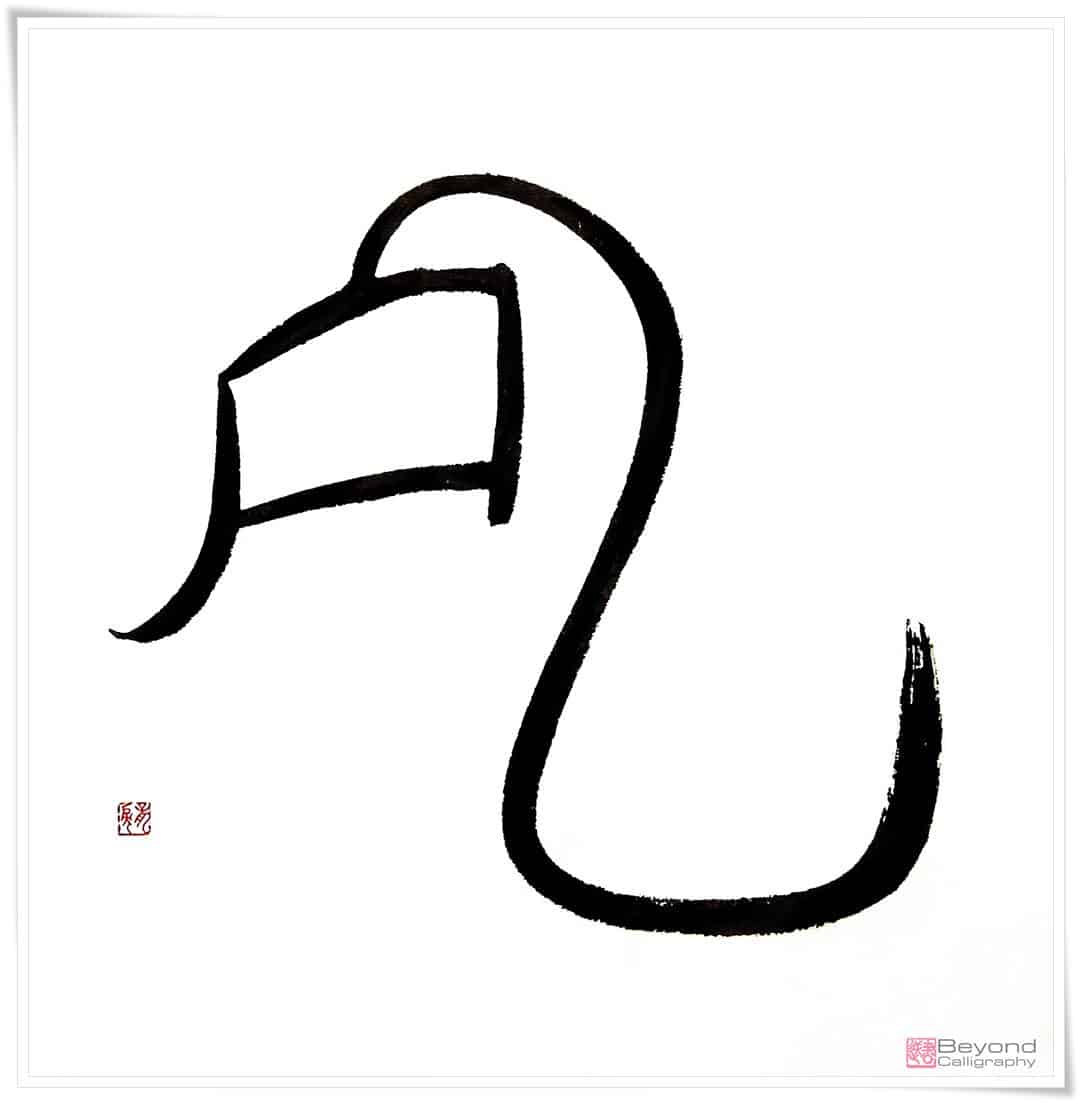
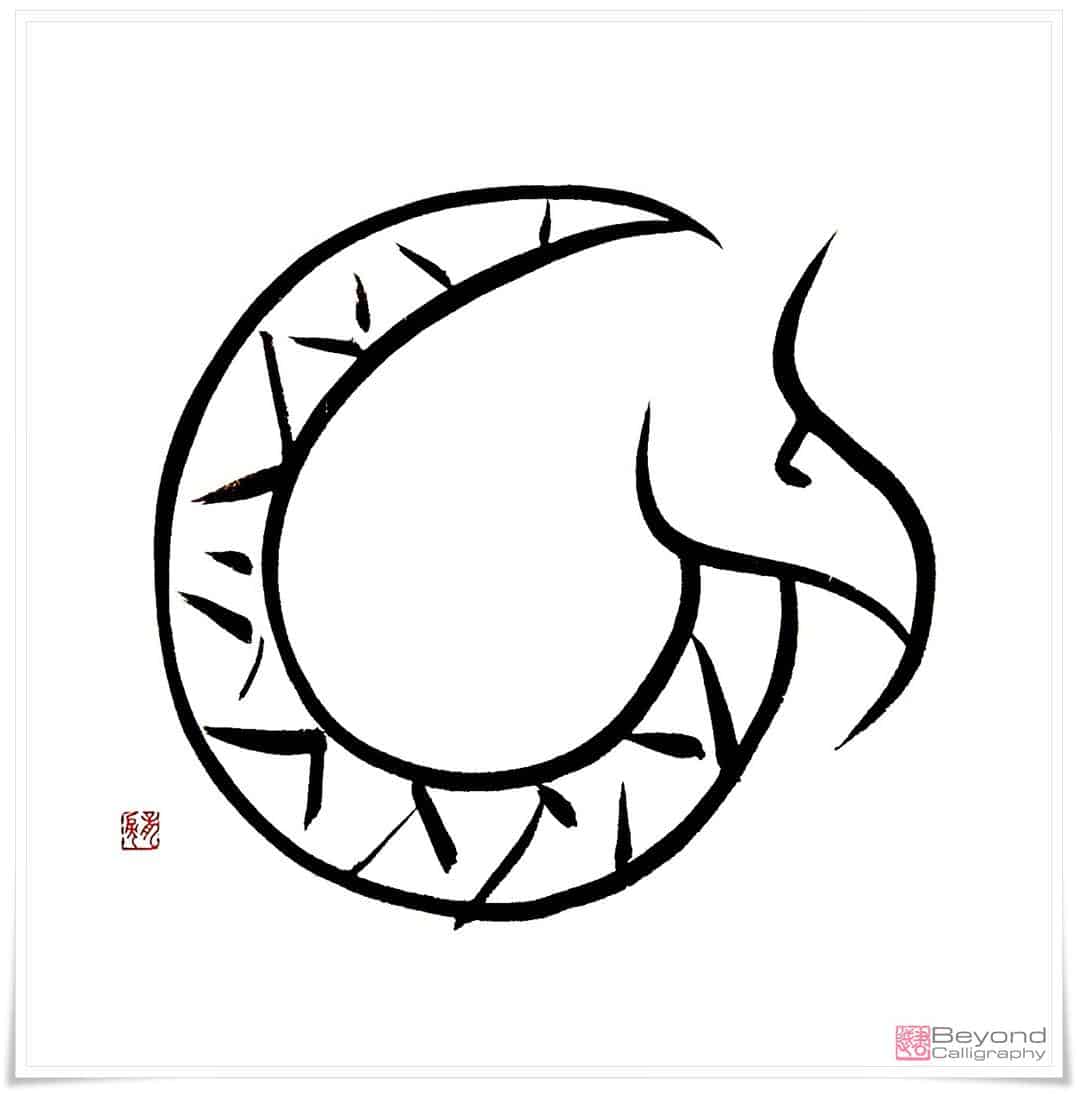
Movie 1 and Figures 1-3 Character 龍 (りゅう, ryū, i.e. “dragon”) in oracle bone script (甲骨文, こうこつぶん, kōkotsubun).

Figure 1 
Figure 2 
Figure 3


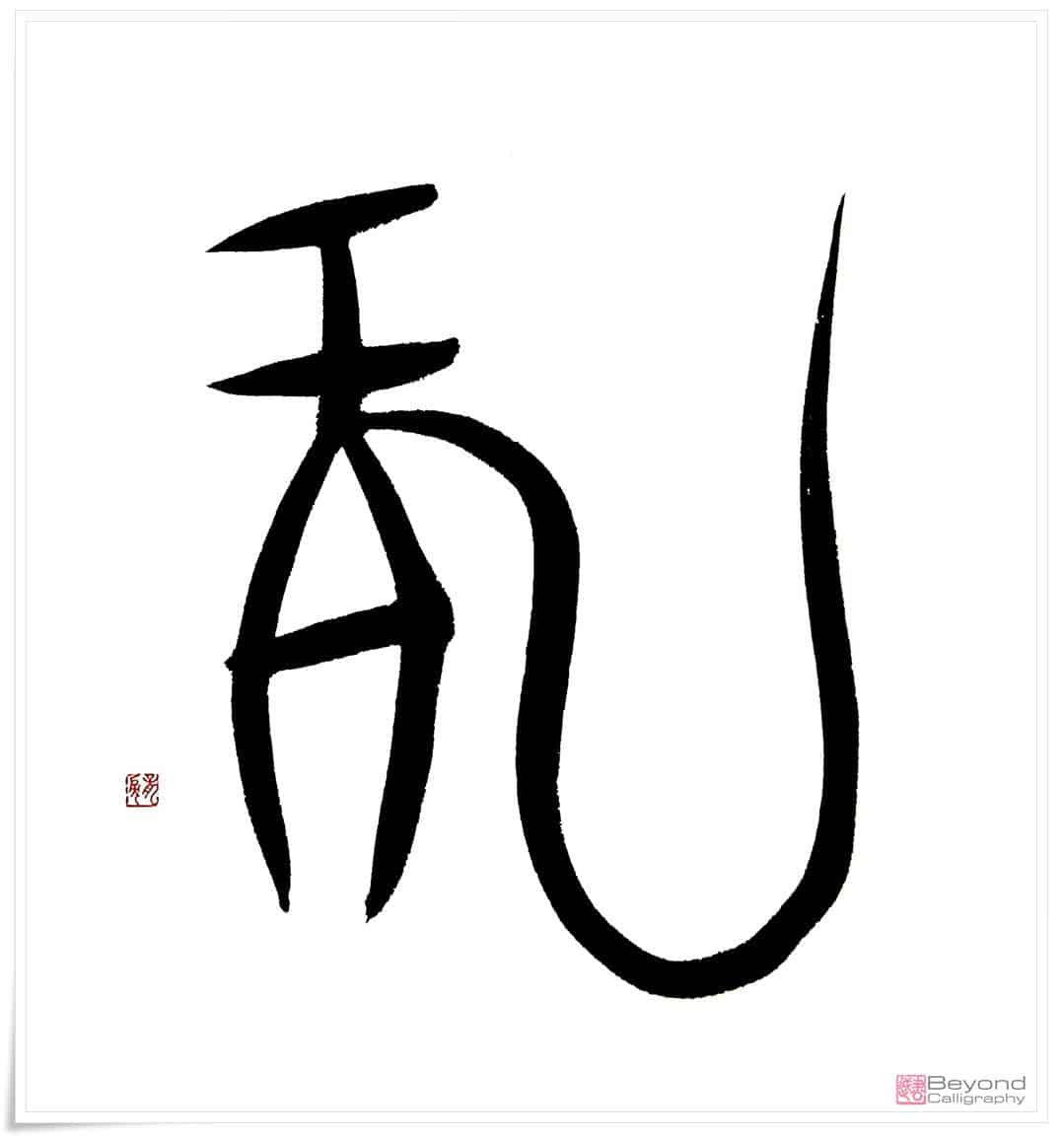
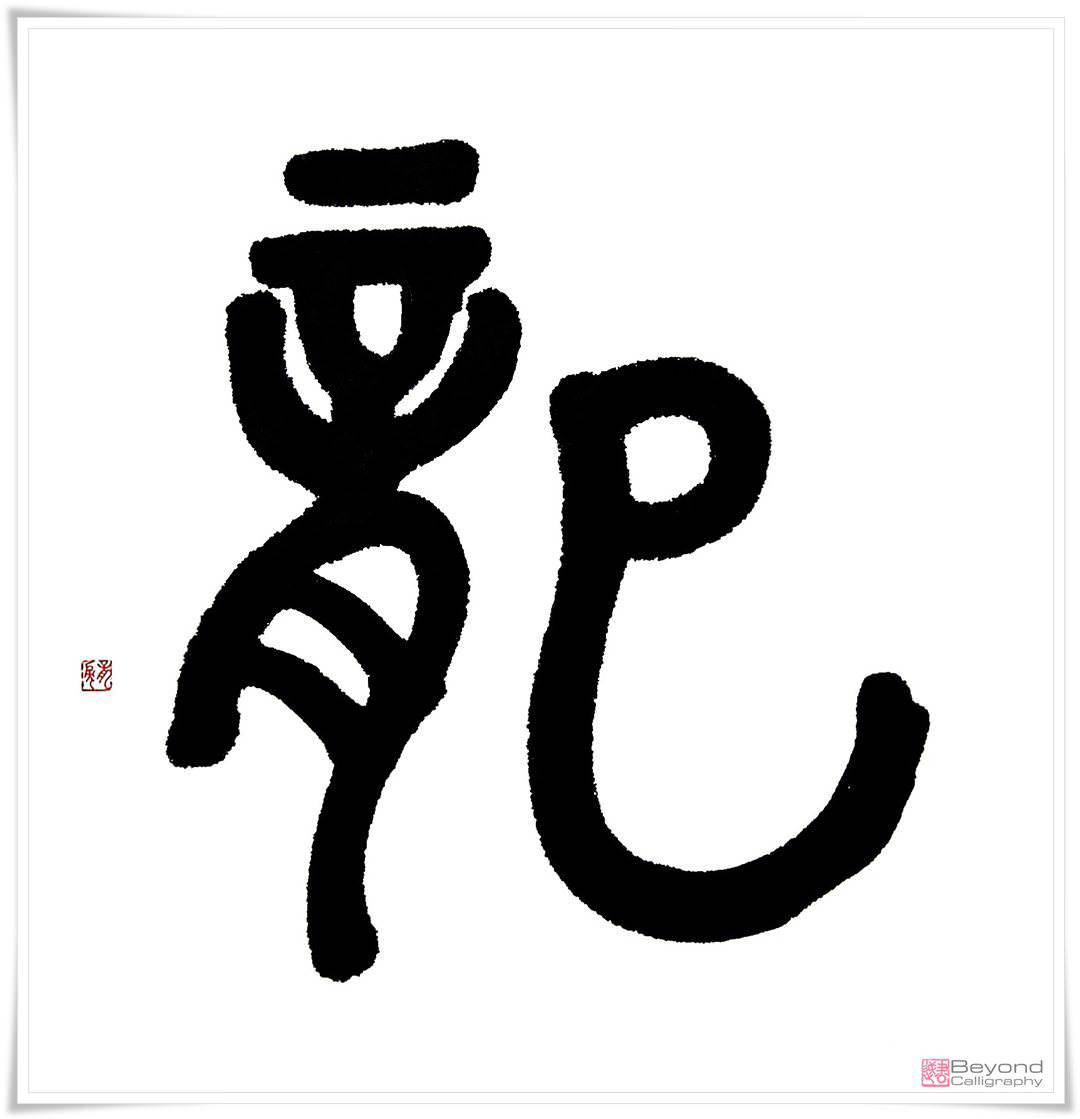
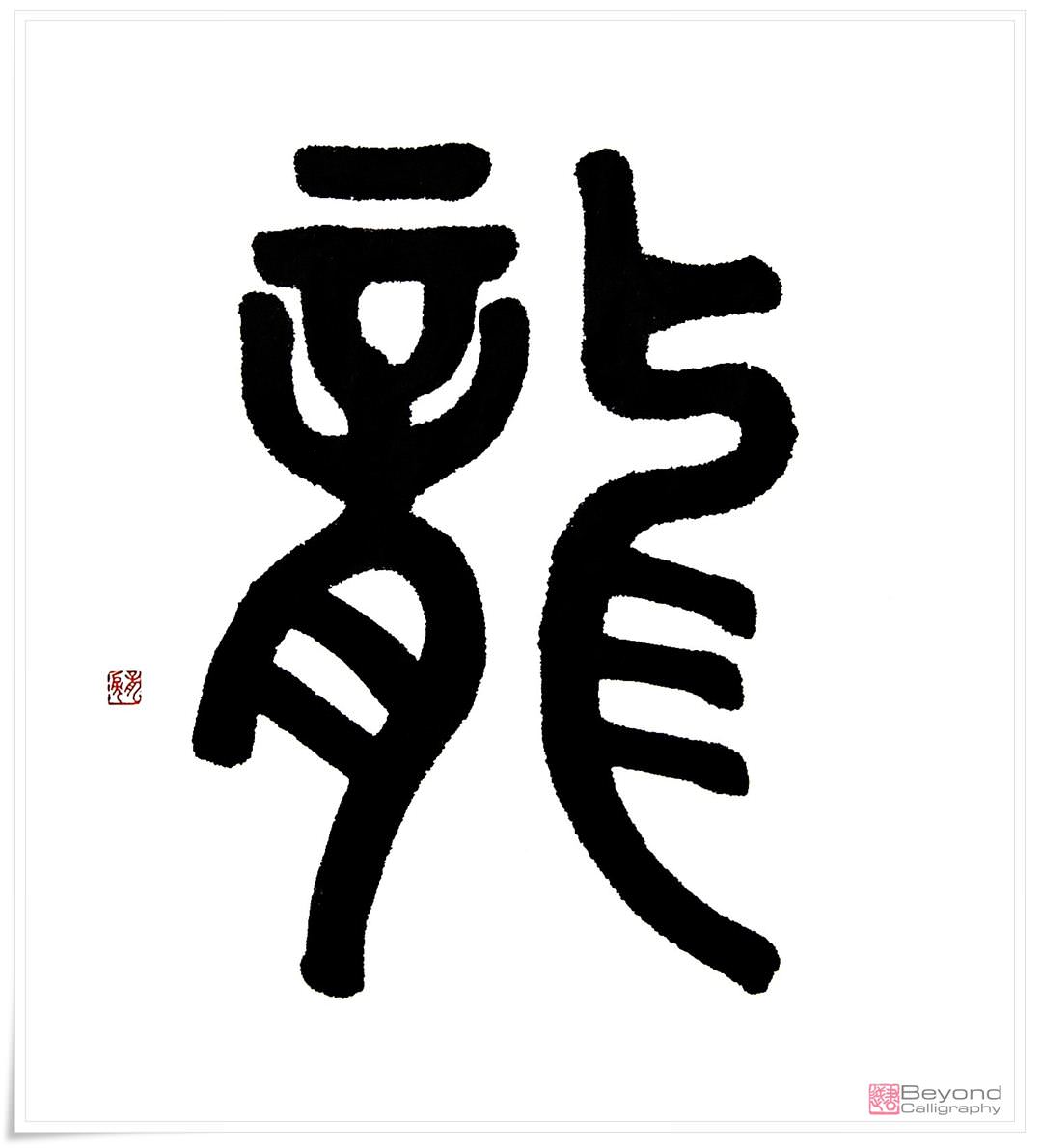
Figures 4-5 Character 龍 (りゅう, ryū, i.e. “dragon”) in small seal script (小篆, しょうてん, shōten). 

Figure 4 
Figure 5 


Allow me to paraphrase a fragment from my book in the making titled “Marvelous Ink”, which illustrates the dragon allegory used by a Chinese calligrapher and poet of the Qing dynasty (清朝, pinyin: Qīng cháo, 1644 – 1912 C.E.), Wang Wenzhi (王文治, Wáng Wéngzhì, 1730 – 1802 C.E.):

Permitam-me parafrasear um fragmento do meu livro em produção intitulado “Tinta Maravilhosa”, que ilustra a alegoria do dragão usada por um calígrafo e poeta chinês da dinastia Qing (清朝, pinyin: Qīng cháo, 1644 – 1912 d.C.), Wang Wenzhi (王文治, Wáng Wéngzhì, 1730 – 1802 d.C.):

“Over the gateway to the Chinese city of Lin’an (临安市; pinyin: Lín’ān Shì), it is said that there was a large sign that read “Conquest of the Southeast Country”, written by master calligrapher Tu Zhuo (屠倬, pinyin: Tú Zhuō, 1781-1828). The passing of time caused a part of the second out of four characters to fade, and it was in need of a touch up. Since Tu Zhuo could not be located, his student undertook the task. Officials of the county were more than satisfied with the final result. Sometime later, Wang Wenzhi, a senior court officer, was passing the gate and stopped to read the sign. These are his famous words:


“Those four characters look like three live dragons and one dead snake (三生龍一死蛇, pinyin: sān sheng long yī sǐ shé)”.

Sobre a porta de entrada da cidade chinesa de Lin'an (临安市; pinyin: Lín'ān Shì), diz-se que havia uma grande placa que dizia “Conquista do País do Sudeste”, escrita pelo mestre calígrafo Tu Zhuo (屠倬, pinyin: Tú Zhuō, 1781-1828). O passar do tempo fez com que parte do segundo dos quatro caracteres desaparecesse e precisava de um retoque. Como Tu Zhuo não pôde ser localizado, seu aluno assumiu a tarefa. As autoridades do concelho ficaram mais do que satisfeitas com o resultado final. Algum tempo depois, Wang Wenzhi, um alto funcionário do tribunal, estava passando pelo portão e parou para ler a placa. Estas são suas famosas palavras:


“Esses quatro personagens parecem três dragões vivos e uma cobra morta (三生龍一死蛇, pinyin: sān sheng long yī sǐ shé)”.

The dead snake referred to the corrected character. 

The moves of a Master calligrapher resemble those of a dragon in flight. The calligraphy is so alive and vigorous that it seems to contain a dragon’s spirit flowing in the brush strokes, as if the traces of ink were lit on the fire of motion, eluding us with its three dimensional reality, reaching our soul with its spiritual arms. 

youtube=http://www.youtube.com/watch?v=874i3XRqLlQ&w=560


A cobra morta referia-se ao personagem corrigido. Os movimentos de um Mestre calígrafo lembram os de um dragão em vôo. A caligrafia é tão viva e vigorosa que parece conter o espírito de um dragão fluindo nas pinceladas, como se os traços de tinta se acendessem no fogo do movimento, iludindo-nos com sua realidade tridimensional, atingindo nossa alma com seus braços espirituais.

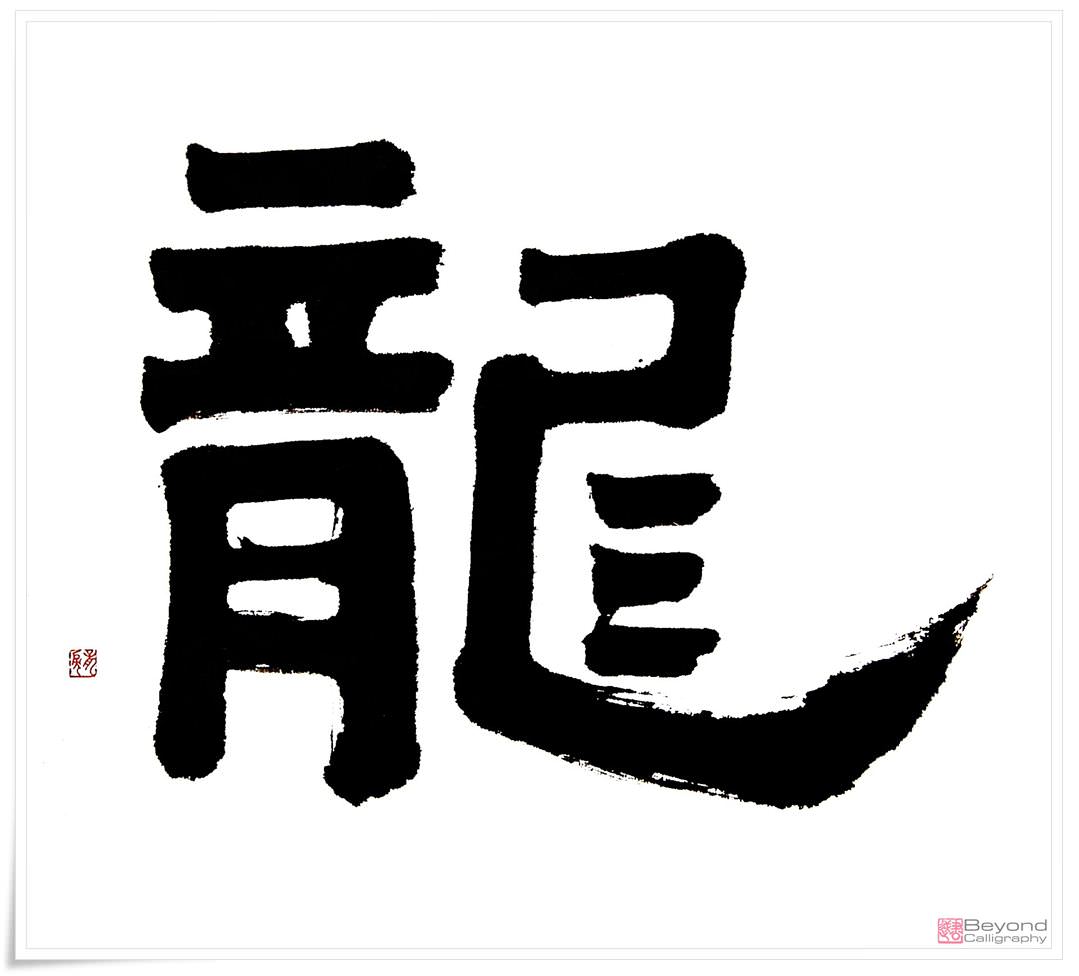
Movie 2 and Figures 6-8 Character 龍 (りゅう, ryū, i.e. “dragon”) in clerical script (隷書, れいしょ, reisho)

Figure 6 
Figure 7 
Figure 8


Calligraphy is the art of meditation. Devoting one’s entire life to one art wholeheartedly purifies the mind and blesses that person with a mythical aura of wisdom. The personality of the old masters I have met is defined by their calligraphy. It is so simple, yet so deep, so sensible and untouchable. For me they are the reincarnations of ancient dragons. They float above everyday desires, like clouds above over-heated summer ground, close enough to maintain eye contact, yet far enough away to hear nothing but the songs of void skies. Watching them write makes me wonder whether or not they really need a brush to write at all. They have become the art itself.

youtube=http://www.youtube.com/watch?v=N7ib0bHwVIk&w=560


A caligrafia é a arte da meditação. Dedicar a vida inteira a uma arte purifica de todo o coração a mente e abençoa a pessoa com uma aura mítica de sabedoria. A personalidade dos antigos mestres que conheci é definida pela sua caligrafia. É tão simples, mas tão profundo, tão sensato e intocável. Para mim são as reencarnações de dragões antigos. Eles flutuam acima dos desejos cotidianos, como nuvens sobre o solo superaquecido do verão, perto o suficiente para manter contato visual, mas longe o suficiente para não ouvir nada além das canções dos céus vazios. Observá-los escrever me faz pensar se eles realmente precisam ou não de um pincel para escrever. Eles se tornaram a própria arte.

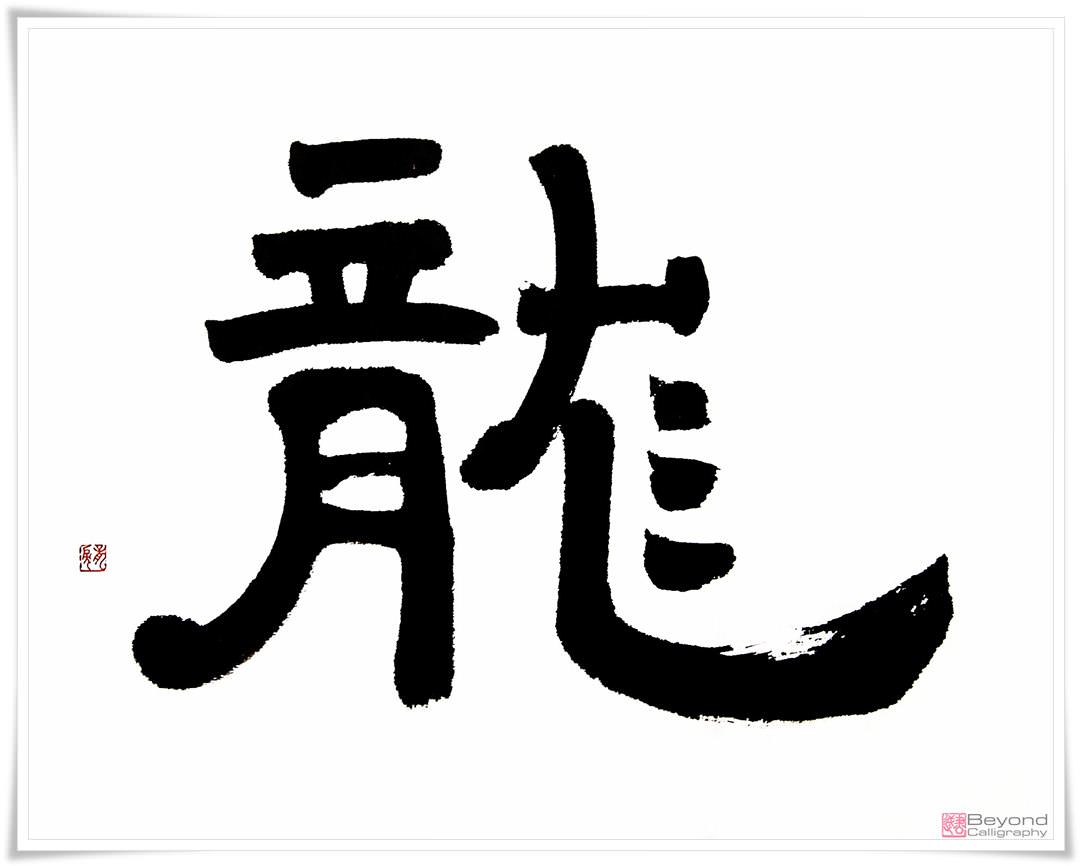
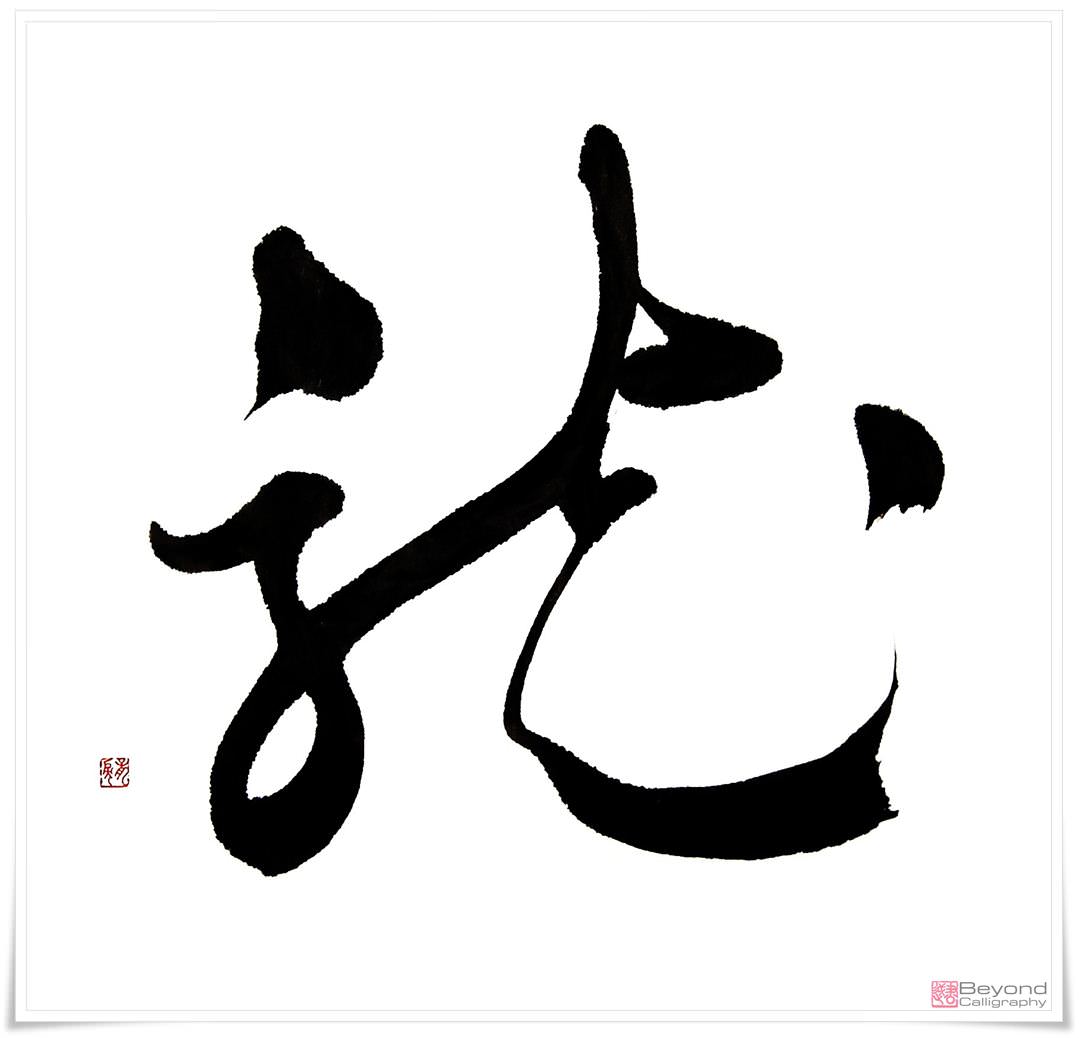
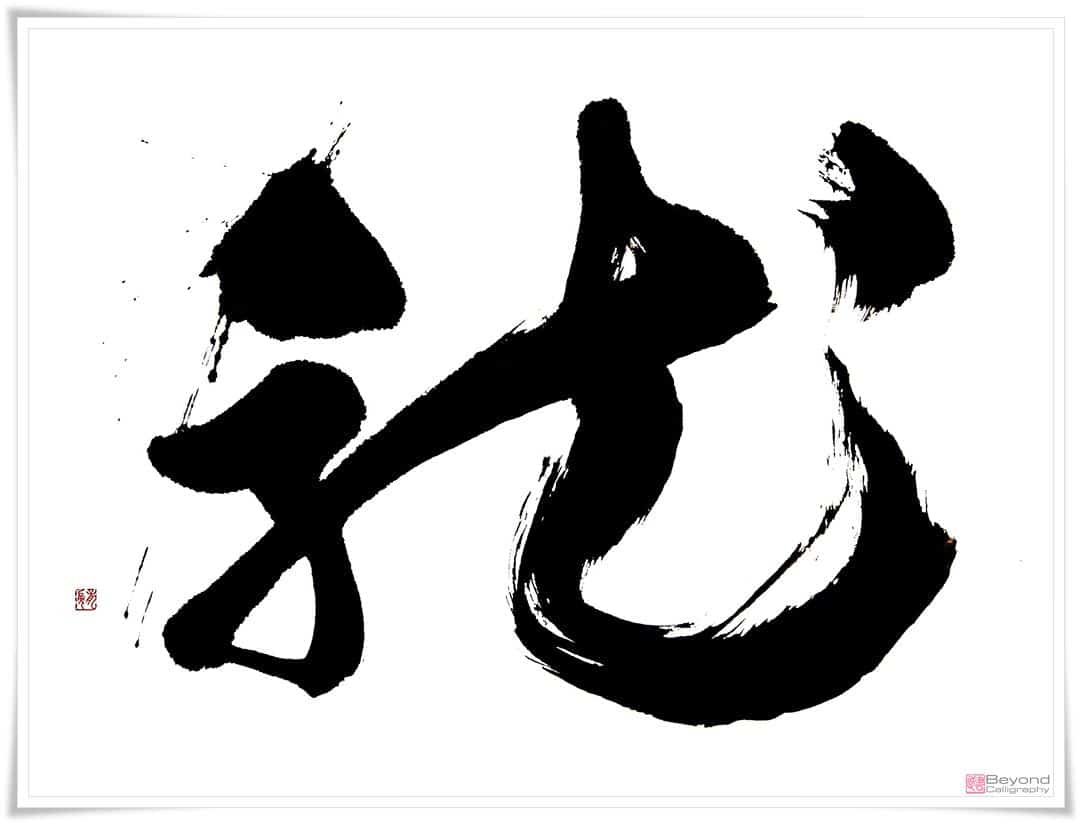
Movie 3 and Figures 9-12 Character 龍 (りゅう, ryū, i.e. “dragon”) in cursive script (草書, そうしょ, sōsho).

Figure 9 
Figure 10 
Figure 11
Figure 12


So many people ask me why I chose the pen name 龍涙 (りゅうるい, ryūrui, i.e. “Tears of Dragon”). I believe that the following passage from my book (quoted above) should explain it very well.

“The dragon is the guardian of my soul, watcher of my ancient spirit. Its endless wisdom opens up many new paths in my life and lifts them up like a magical torch, leading me to a state of internal peace and spiritual tranquility, a place in time where surroundings and reality are not relevant but cease to exist, allowing me to submerge myself in ever-lasting legend.”

youtube=http://www.youtube.com/watch?v=yMXPogyKtPU&w=560

Muitas pessoas me perguntam por que escolhi o pseudônimo 龍涙 (りゅうるい, ryūrui, ou seja, “Lágrimas de Dragão”). Acredito que a seguinte passagem do meu livro (citada acima) deveria explicar isso muito bem.

“O dragão é o guardião da minha alma, observador do meu antigo espírito. A sua infinita sabedoria abre muitos novos caminhos na minha vida e os eleva como uma tocha mágica, levando-me a um estado de paz interna e tranquilidade espiritual, um lugar no tempo onde o ambiente e a realidade não são relevantes, mas deixam de existir, permitindo-me para submergir em lendas eternas.”

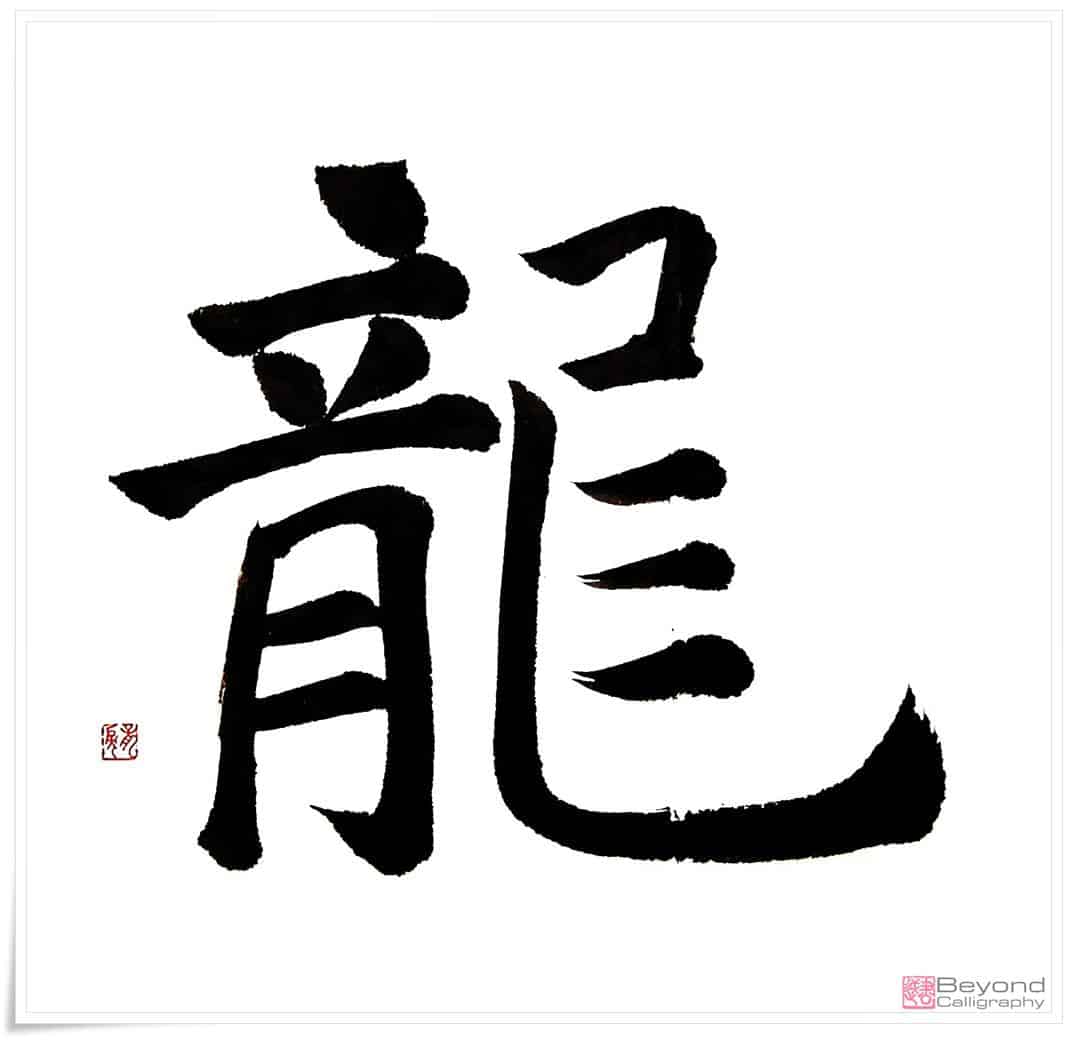
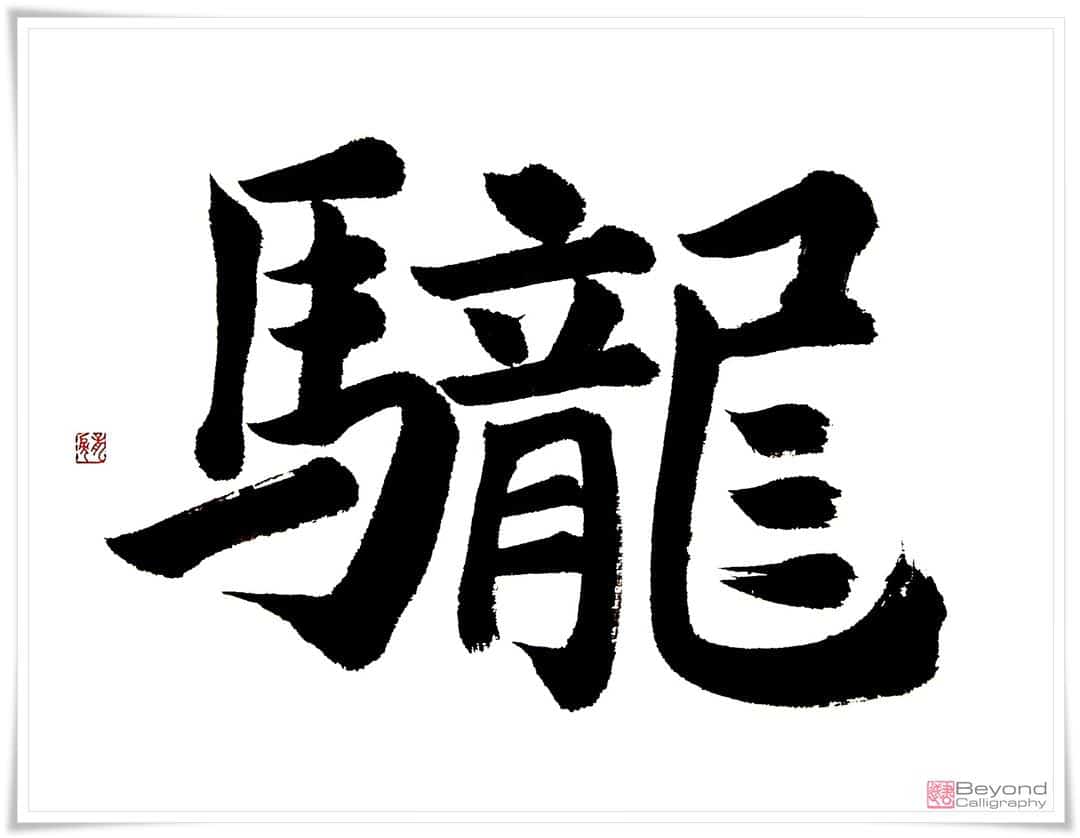
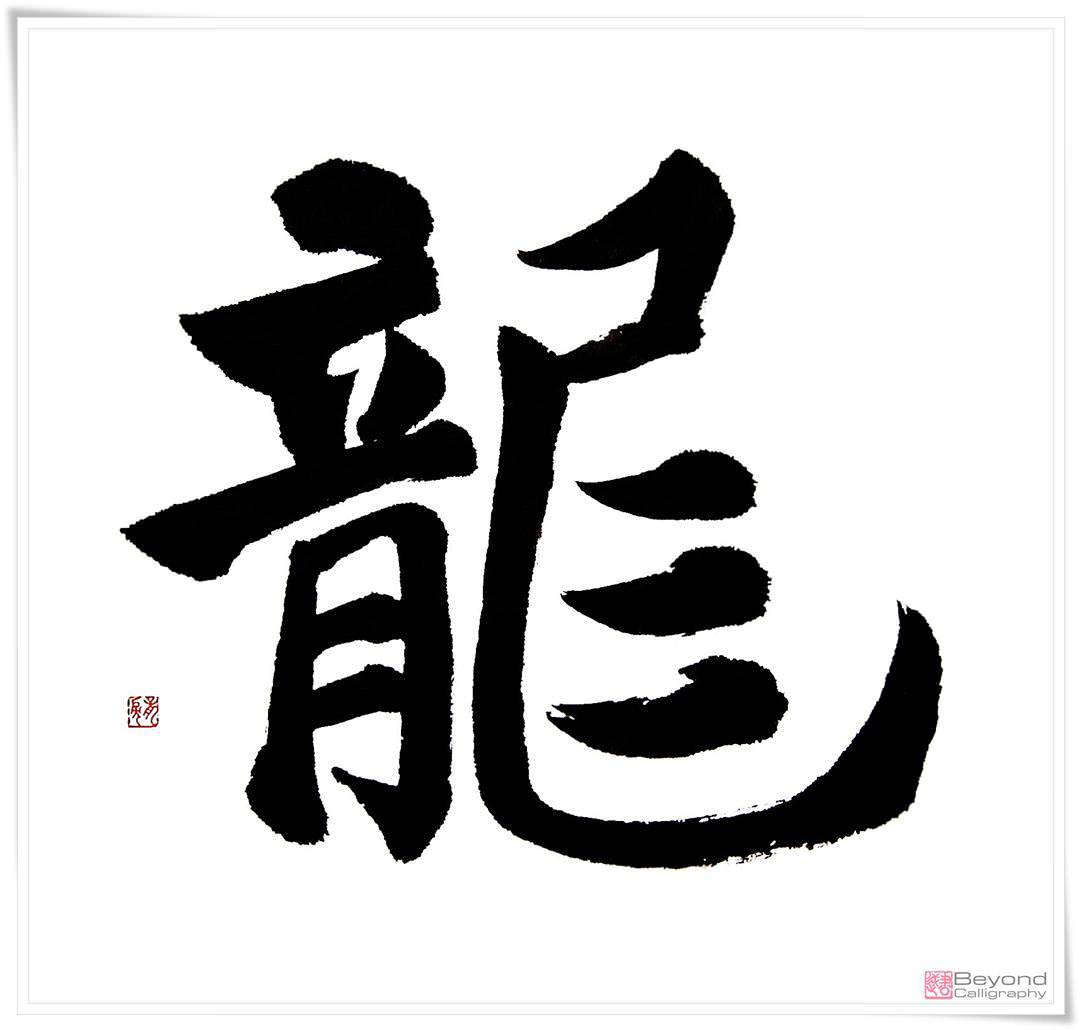
Movie 4 and Figures 13-15 Character 龍 (りゅう, ryū, i.e. “dragon”) in standard script (楷書, かいしょ, kaisho).

Figure 13 
Figure 14 
Figure 15


“Tears symbolise passion and a profound understanding of Sho (書, しょ, lit. “to write”; here: East Asian calligraphy), aesthetics through senses, curiosity, and the essence of the primordial values of the Universe. The shiny ink is the very tears being poured like waves of energy, raw feelings from the bottom of my soul barreling on wings of detached mind like a wild dragon, pure as a child’s dream. It is an echo of sudden eruption a thousand years old, an elusive form of appreciation of what is not changeable by human will, thrown subconsciously and with sacred appreciation onto paper, in a blink of time.”

“Tears of the dragon” become ink of the soul. Ink is a Yang element of calligraphy, being soft, supple and warm, and it contrasts with the Yin element, paper. Together they bring harmony. Since the ink is a fluid, and to make it one requires water, it is strongly connected to the water element in the Chinese theory of the Five Elements (五行, pinyin: Wǔ Xíng). 

These are: 

Wood (木, pinyin: mù), Fire (, pinyin: huǒ), Earth (土, pinyin: tǔ), Metal (金, pinyin: jīn), and Water (水, pinyin: shuǐ). To read more about the interactions between those elements, please see my article here.

youtube=http://www.youtube.com/watch?v=YDRAqvkaw8I&w=560

“As lágrimas simbolizam a paixão e uma profunda compreensão do Sho (書, しょ, lit. “escrever”; aqui: caligrafia do Leste Asiático), da estética através dos sentidos, da curiosidade e da essência dos valores primordiais do Universo. A tinta brilhante são as próprias lágrimas sendo derramadas como ondas de energia, sentimentos crus do fundo da minha alma voando nas asas da mente desapegada como um dragão selvagem, puro como o sonho de uma criança. É um eco de uma erupção repentina com mil anos de idade, uma forma evasiva de apreciação daquilo que não é mutável pela vontade humana, lançada subconscientemente e com apreciação sagrada no papel, num piscar de olhos.”

“Lágrimas de dragão” tornam-se tinta da alma. A tinta é um elemento Yang da caligrafia, sendo macia, flexível e quente, e contrasta com o elemento Yin, o papel. Juntos eles trazem harmonia. Como a tinta é um fluido e para produzi-la é necessária água, ela está fortemente ligada ao elemento água na teoria chinesa dos Cinco Elementos (五行, pinyin: Wǔ Xíng). 

São eles: 

Madeira (木, pinyin: mù), Fogo (火, pinyin: huǒ), Terra (土, pinyin: tǔ), Metal (金, pinyin: jīn) e Água (水, pinyin: shuǐ). Para ler mais sobre as interações entre esses elementos, consulte meu artigo aqui.

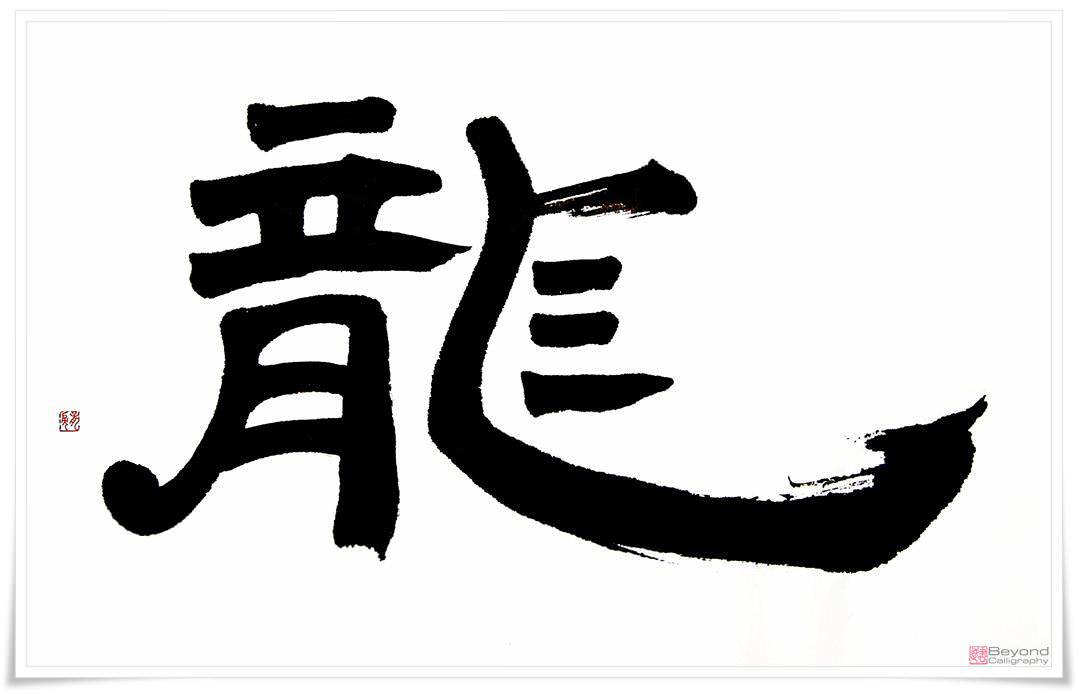
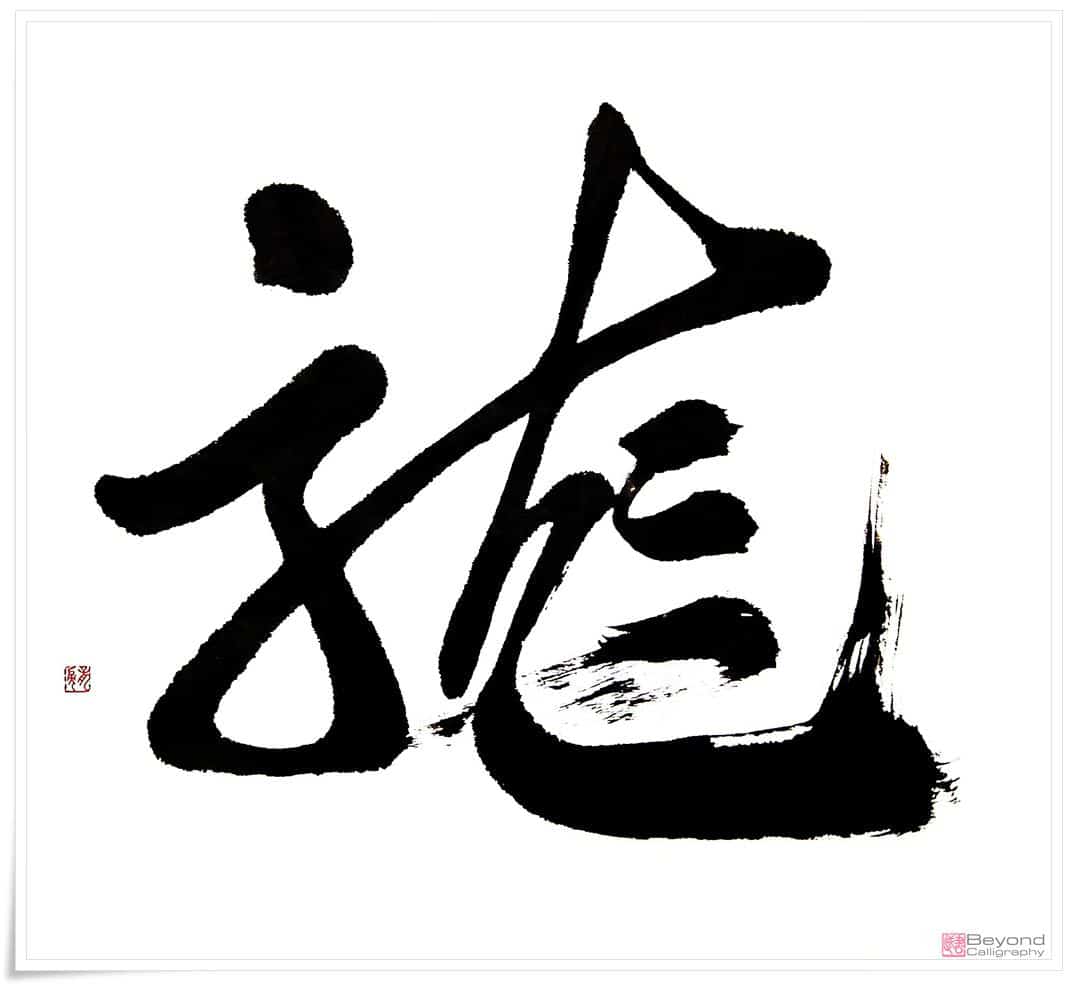
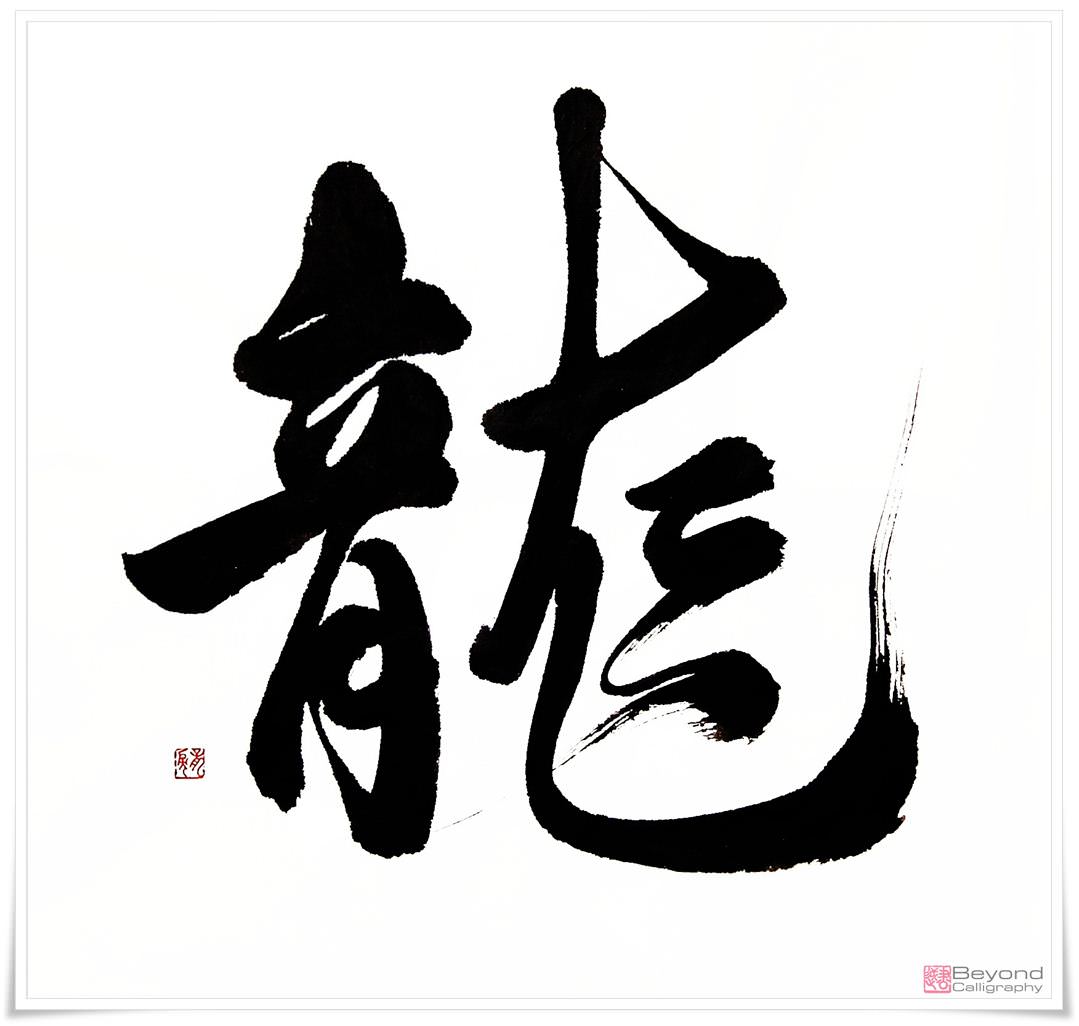
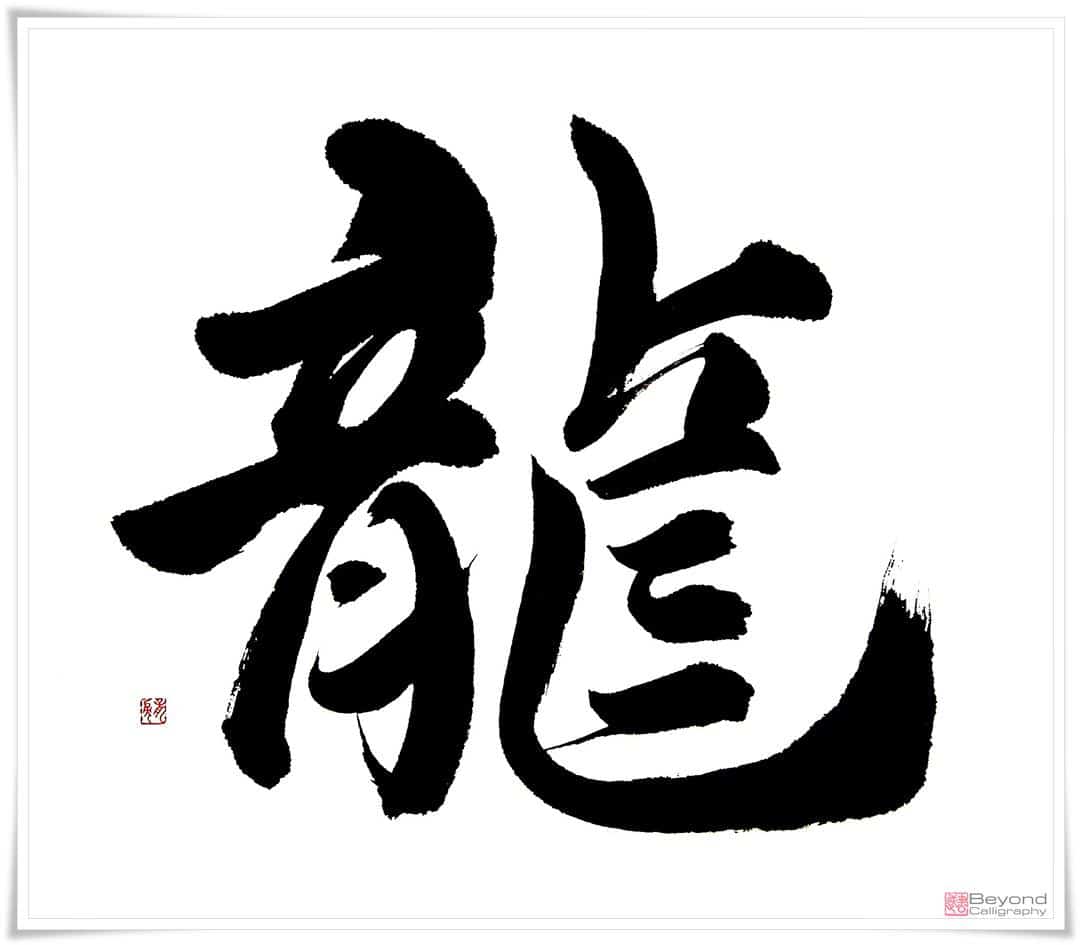
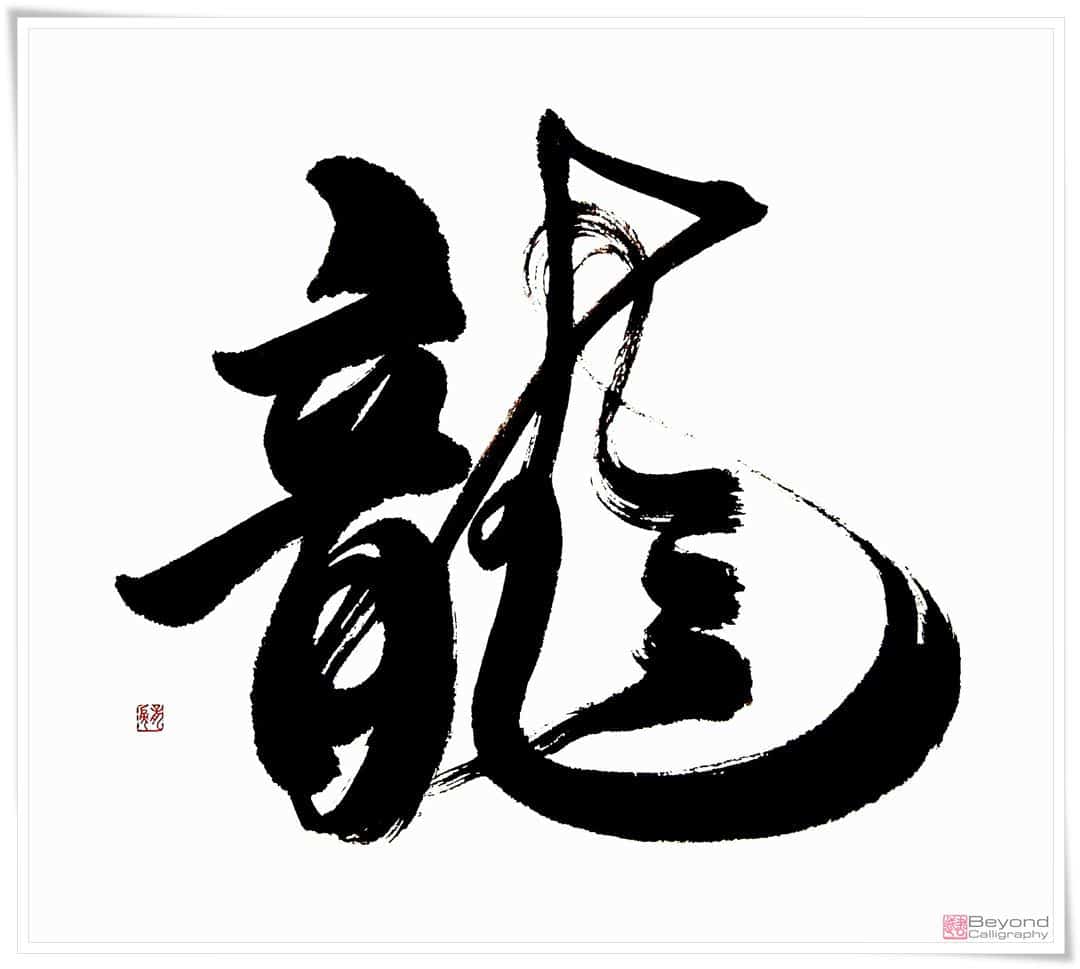
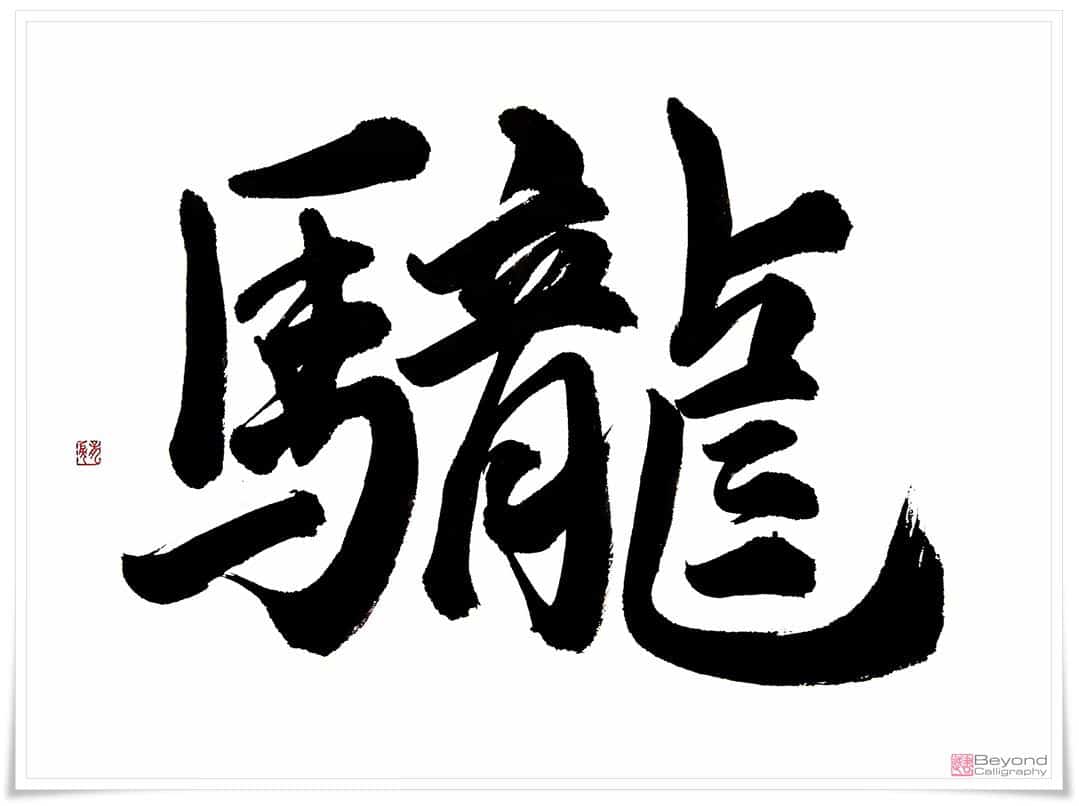
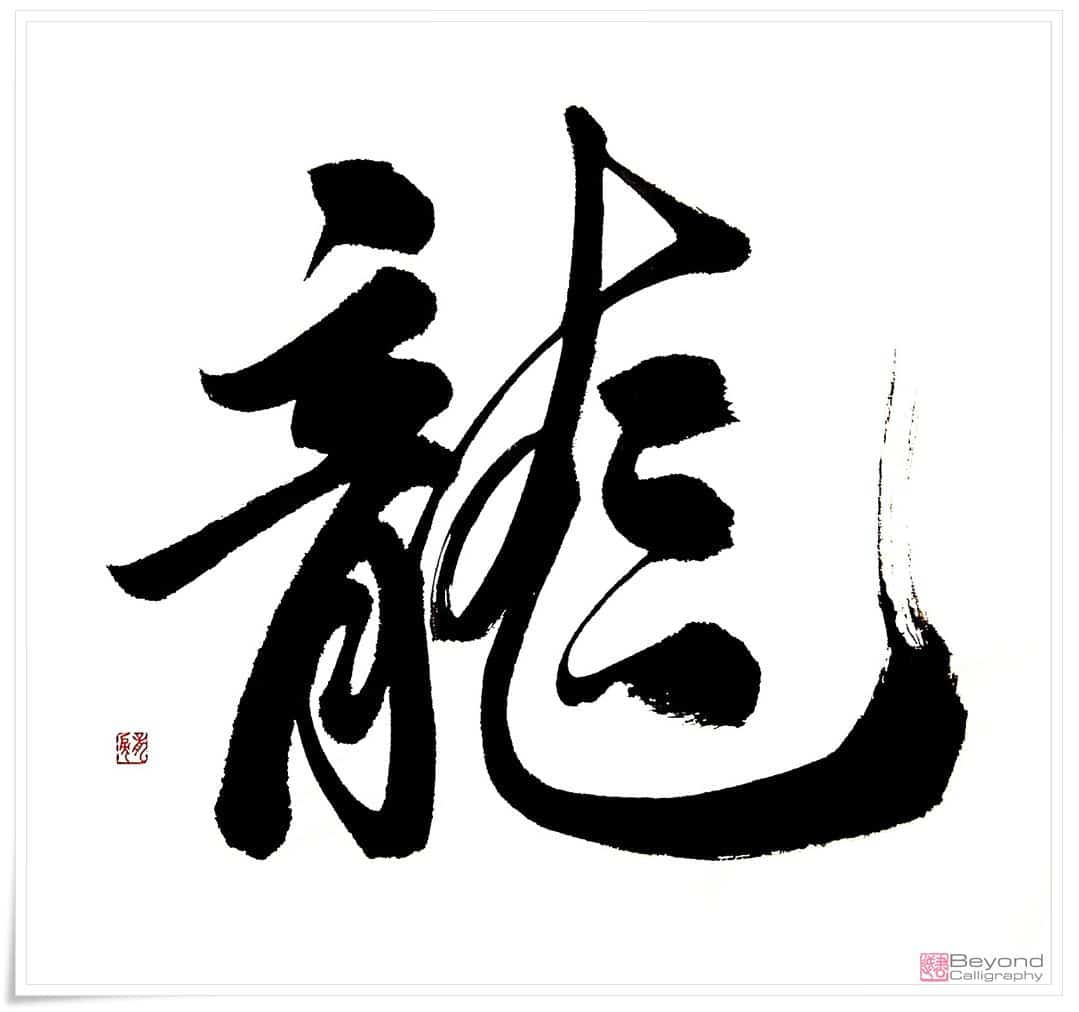
Movie 5 and Figures 16-20 Character 龍 (りゅう, ryū, i.e. “dragon”) in semi-cursive script (行書, ぎょうしょ, gyōsho). 

Figure 16 
Figure 17 
Figure 18
Figure 19 
Figure 20 


For calligraphers, this year is very special. The Water Dragon’s spirit lives in the ink. Its wisdom is its deep colour, its spirit is the flowing energy (行気, pinyin: xín qì, lit. “moving spirit”), its power and momentum is the kasure (掠れ,かすれ, i.e. “streaks of white paper piercing through the ink strokes”), and its immortality is the fact that calligraphy, be it on paper or in the hearts of people, lives on, remaining as mythical as the dragons, revealing its most cherished secrets only to those who live by it. Some people do not believe in the existence of dragons. I have heard that dragons mourn the existence of such people.

On the day of the 31st of December, I was writing calligraphy of the character for dragon (龍, pinyin: lóng) in five major calligraphy scripts. I treated oracle bone script (甲骨文, こうこつぶん, kōkotsubun) separately, although, in a broad sense, it is a part of the Seal Script family. Each of the scripts has its separate video (Movie 1 combines both oracle bone script and small seal script examples). I hope that you will enjoy watching them as much as I enjoyed writing the character.


Para os calígrafos, este ano é muito especial. O espírito do Dragão de Água vive na tinta. Sua sabedoria é sua cor profunda, seu espírito é a energia fluida (行気, pinyin: xín qì, lit. “espírito em movimento”), seu poder e impulso é o kasure (掠れ,かすれ, ou seja, “faixas de papel branco perfurando os traços de tinta”), e a sua imortalidade reside no facto de a caligrafia, seja no papel ou no coração das pessoas, continuar viva, permanecendo tão mítica como os dragões, revelando os seus segredos mais queridos apenas a quem dela vive. Algumas pessoas não acreditam na existência de dragões. Ouvi dizer que os dragões lamentam a existência de tais pessoas.

No dia 31 de dezembro, eu estava escrevendo a caligrafia do caractere do dragão (龍, pinyin: lóng) em cinco escritas principais de caligrafia. Tratei da escrita “oracle bone” (ossos oraculares?) (甲骨文, こうこつぶん, kōkotsubun) separadamente, embora, em um sentido amplo, ela faça parte da família “Seal Script” (escrita do selo). Cada um dos scripts tem seu vídeo separado (o Filme 1 combina exemplos de script de “osso de oráculo” e script de pequeno selo). Espero que você goste de assisti-los tanto quanto eu gostei de escrever o caracter.


Fonte