SANTA MARIA MAGDALENA
CANNAREGIO, ITÁLIA


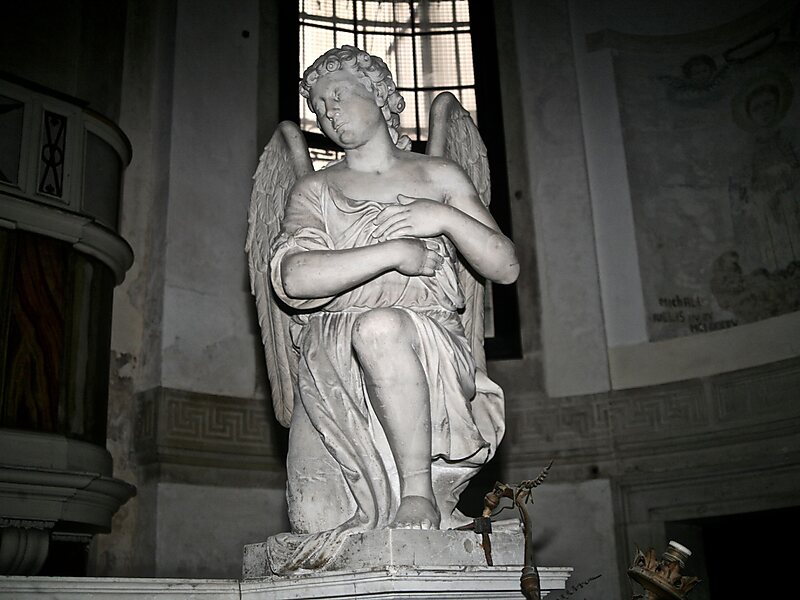
La Maddalena (Italiano: Santa Maria Maddalena in Cannaregio) ou Igreja de Santa Maria Madalena em Cannaregio é uma igreja em Veneza, no sestiere Cannaregio e dedicada a Maria Madalena.
Sabe-se de uma igreja no local já em 1222, propriedade da família patrícia dos Balbo. Quando, em meados do século XIV, o senado de Veneza criou um feriado para celebrar a festa de Santa Maria Madalena, decidiu-se ampliar a igreja, incluindo a torre de vigia, que foi transformada numa torre sineira.
A igreja foi restaurada no início do século XVIII, e, em 1780, foi inteiramente reconstruída com base num projeto de Tommaso Temanza, de planta circular inspirada pelo Panteão de Roma. A torre sineira foi demolida em 1888. A mais notável característica da igreja é seu portal, decorado com símbolos maçônicos na parte superior, uma provável referência à ligação dos Balbo com os templários. O interior segue uma planta hexagonal com quatro capelas laterais e um presbitério.
Nehushtan (or Nohestan) is the derogatory name given to the bronze serpent on a pole first described in the Book of Numbers. At a much later period, in the Gospel of John, Jesus discusses his destiny with Nicodemus, a Jewish teacher and makes a comparison between the raising up of the Son of Man and the act of the serpent being raised by Moses for the healing of the people. Jesus applied it as a foreshadowing event to his own execution on a stake stating:
“And as Moses lifted the serpent in the wilderness, even so must the Son of man be lifted up: That whosoever believeth in him should not perish but have eternal life. For God so loved the world, that he gave his only begotten Son, that whosoever believeth in him should not perish, but have everlasting life”
(John 3:14-16).




Nenhum comentário:
Postar um comentário